
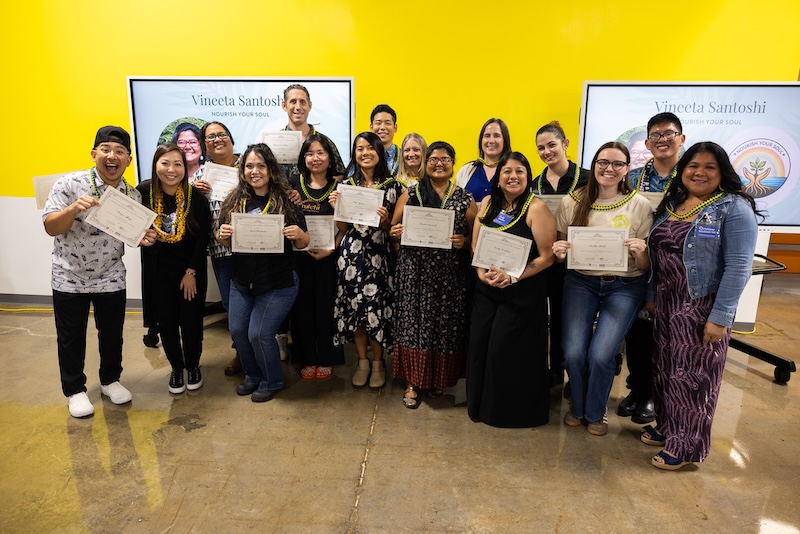
Building a food business in Hawaiʻi is not a small undertaking. The path from a kitchen idea to a product on a store shelf involves permits, production, packaging, pricing, and a hundred decisions most entrepreneurs face alone.
The Hawaii Ag & Culinary Alliance’s Cottage Industry to Commercial Enterprise Scholarship, offered in partnership with Leeward Community College’s Aina to Makeke Program at the Wahiawa Value-Added Product Development Center (WVAPDC), was built to change that.
With seven cohorts completed and an eighth currently in session, the program has grown to over 100 alumni — and counting.
The 12-week intensive gives participants the tools to move a product from concept to market: food safety, labeling, production scaling, buyer relationships, and everything in between. But what participants often describe as equally valuable is what develops alongside the curriculum—a network of fellow entrepreneurs navigating the same challenges, asking the same questions, and building trust that outlasts the program itself.
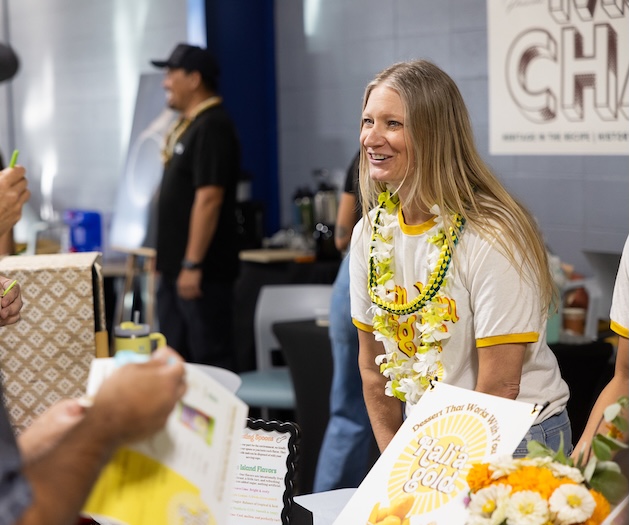
Collaborations between alumni have brought new products to market—including a mango vinegar developed through a partnership between Hawaiian Vinegar Company and kiikii Farm Provisions. Graduates from all seven cohorts continue to support one another through the realities of business growth. The connections formed inside the program extend far beyond, because building a business—as any entrepreneur will tell you—takes a village.
The results speak for themselves — not as a measure of the program’s success, but as a reflection of what these business owners have built with the foundation it provided. ReBran Granola is now carried in all Down to Earth locations on Oahu, Hawaiian Soda Company has secured placement in Costco and Sprouts locations across the United States and Pop Culture Artisan Pops has landed in CU Convenience stores, just to name a few.
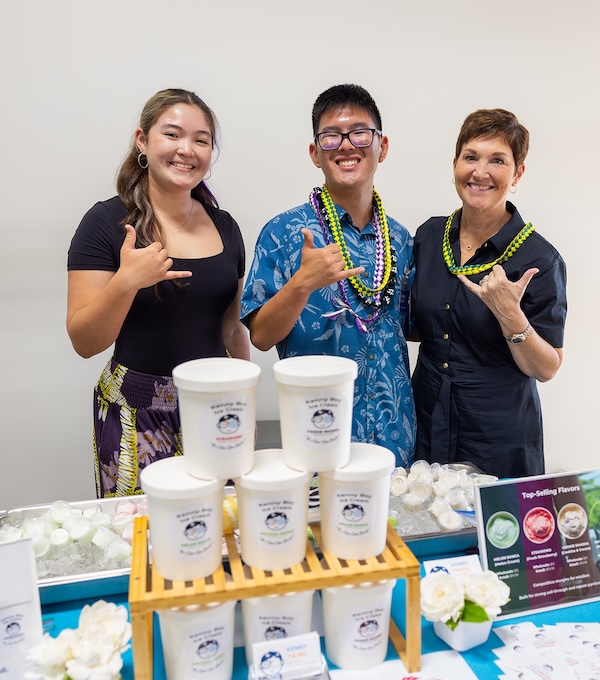
In April, Cohort 7 graduates gathered at the WVAPDC for their final showcase to present finished products to buyers, purchasers, and community members—marking the distance traveled from week one to week twelve. The room reflected what becomes possible when local agriculture—including off-grade and surplus ingredients—is put in the creative hands of local entrepreneurs. Among them were products from Colleen Pescaia of Halia Gold who crafts Hawaii-grown sorbets made with locally-sourced ingredients like soursop and guava from her farm, Kahawai Farms. Representing Kauai, Cadena Ragsdale of Kauai Fresh Fish who presented a fish jerky crafted entirely from locally caught fish—a fan favorite—with a tinned fish line already in the works. In a milestone for the program, Kenny Tsuru of Kenny Boy Ice Cream became the first high school student to graduate from the Aina to Makeke program. The showcase is one of the program’s most visible moments,
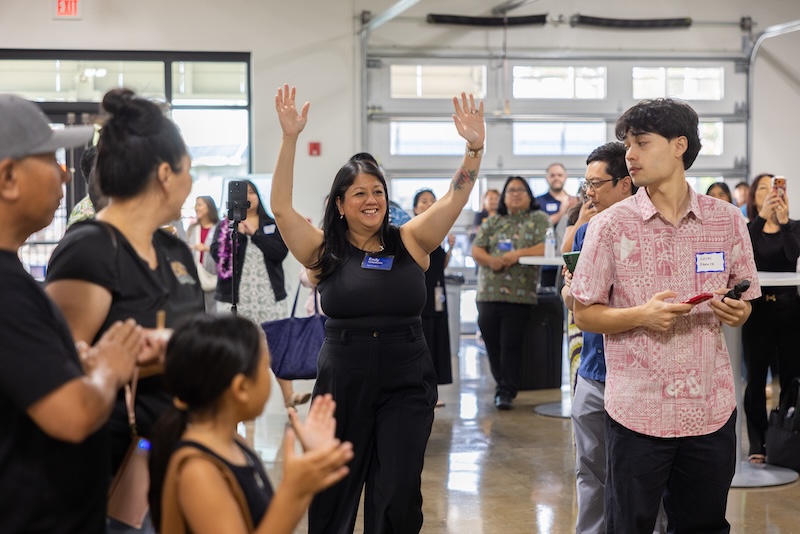
The inaugural Food & Product Innovation Network Day at the Capitol introduced a new opportunity for Aina to Makeke alumni to showcase their products to government officials, state senators, and industry leaders—with the broader goal of making the path to entrepreneurship in Hawaii more navigable for those who come after them.
For Cohort 7 alum Tatsuyoshi Omura of ReBran, a connection made at FPIN Day led to his selection to participate in the DBEDT/BDSD Hawaii Made Pavilion at the Hawaii Hotel & Restaurant Show 2026—and a meaningful expansion of awareness around his brand.
Alumni of the program have also gone on to showcase their brands at high-profile industry and consumer events, including Made in Hawaii, the Winter Fancy Faire in Las Vegas and San Diego, and more. For Cohort 5 alum Janee Gutierrez of Madres Churros, attending the Winter Fancy Food Show in San Diego last December opened a door she couldn’t have anticipated—her product was featured in MarthaStewart.com shortly after.
What begins as a 12-week course has become something much larger—a community, a network, and a launching pad for some of Hawaii’s most exciting food businesses.